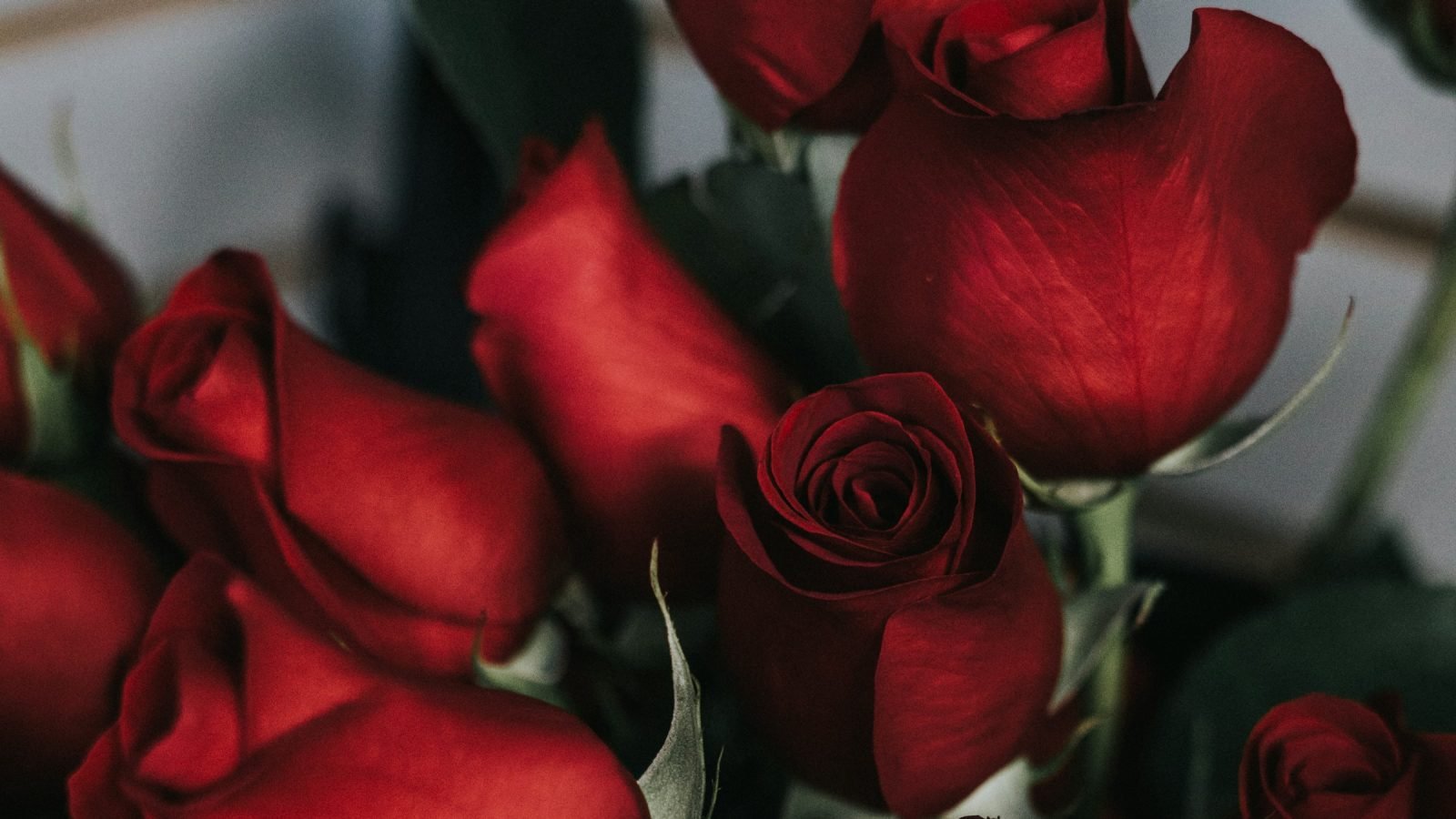
Kenyan cut flowers for international buyers
Flowers with a specification, not a photograph
Stem length, head size, cutting stage, bunch and box — stated before you ask, so the quotation you get back is one you can actually compare.
- Product Kenyan cut flowers
- Buyers Importers, wholesalers, retail and event groups
- Basis Specification first, then quotation
What this is
Kenya Flower Merchant publishes what international wholesale buyers actually need to know about Kenyan cut flowers — specification, seasonality, export requirements, duty and routing — with dates, sources, and the parts other people leave out.
It is written for importers, wholesalers, retail groups, florist chains and event businesses.
Sourcing conversations usually open with a photograph and a price. We start with the specification instead, and publish what we know about the trade — including the parts that are inconvenient.
What a quotation is actually built from
Eight fields, before anybody talks about price
- Variety Named, not "roses" Colour and form follow the variety, not the other way round
- Stem length 40–80 cm The ladder Kenyan roses are traded on
- Head size Tiered Quoted in centimetres, by tier
- Grade No national standard Kenya has none. The word means what the seller means
- Cutting stage Set by lane length A three-day lane is not a one-day lane
- Bunch & pack No standard box There is no industry standard carton
- Destination Sets the paperwork Duty, plant health and inspection all follow from it
- Timing Peaks collide Three global peaks fall inside fourteen weeks
Two of those eight have no standard behind them at all. That is not a gap in what we know — it is the finding, and it is why “send me a photo and a price” is not a specification. See the specifications in full.
What we write about
The flowers, and what each one meets at the border
Genus decides more than colour. It sets how often a consignment is opened at the border, what the certificate must say, and how much delay risk a lane carries. Roses are the outlier — the rest of the Kenyan range is treated far more lightly.
| Flower | Genus | Physically inspected |
|---|---|---|
| Roses | Rosa | 25% |
| Carnations | Dianthus | 5% |
| Gypsophila | Gypsophila | 5% |
| Solidago, eryngium | Solidago · Eryngium | 10% |
| Lisianthus | Eustoma | 10% |
| Anything not listed | incl. statice | 5% |
| Chrysanthemum | Dendranthema | 100% |
Physical and identity check frequencies for entry into Great Britain. Documentary checks are 100% in every case. Source: Defra, UK Plant Health Information Portal. Page last updated 15 June 2026; read 23 September 2026 and re-read 25 September 2026. One page per flower — inspection rate, tariff line and Australian dose for each →
How this site is written
Three commitments a buyer can check
Specifications, not adjectives
“Premium” and “export quality” are not measurements. Where a number exists we give it, and where the trade has no standard at all — grading, carton sizes — we say that plainly instead of implying one.
Every figure dated and attributed
Duty rates, inspection frequencies and trade shares carry the issuing authority and the date we read them. Regulations change; a figure without a date is a figure you cannot check.
We publish what we could not establish
When a question has no published answer we say so and explain why it matters, rather than offering an estimate that reads like a fact. A stated boundary is more useful than a confident guess.
Where Kenyan flowers actually go
Kenya is the fourth largest cut flower exporter in the world by Comtrade value, behind the Netherlands, Colombia and Ecuador. It is frequently described as third; that is only true if the Netherlands is excluded as a re-exporter rather than counted as an exporter, and we think it is worth being precise about.
More useful than the global rank is where the flowers actually land. Below are destination countries' own import declarations, rather than Kenya's export declarations — the two do not always agree, and the difference matters.
| Market | Market imports | From Kenya | Kenya’s share | Rank |
|---|---|---|---|---|
| Netherlands | USD 1,175.4m | USD 375.7m | 32.0% | 1 |
| United Kingdom | USD 760.0m | USD 190.1m | 25.0% | 2 |
| Saudi Arabia | USD 104.9m | USD 48.7m | 46.5% | 1 |
| United Arab Emirates (2023) | USD 76.3m | USD 29.2m | 38.3% | 1 |
| Norway | USD 82.1m | USD 45.6m | 55.6% | 1 |
| Australia | USD 85.3m | USD 17.4m | 20.4% | 2 |
| Germany | USD 1,213.8m | USD 52.3m | 4.3% | 2 |
Fresh cut flowers and buds, HS 060310, 2024 — except the United Arab Emirates, whose latest Kenya's own official series, and why it must not be read as a conversion of these → declared year is 2023 and is marked as such. Source: World Bank WITS / UN Comtrade, destination-declared imports. Checked 22 and 25 September 2026.
How buying works
From requirement to quotation
Five steps, and the first two matter most. A quotation built on a vague requirement is not a quotation you can compare against anyone else’s.
-
You tell us the requirement
Flower, variety if you know it, stem length, head size, quantity, frequency, destination airport and when you need it. Every technical field on the form has an “I don’t know yet, please advise” option.
-
We clarify the specification
Most enquiries arrive under-specified, and that is normal. We come back on the fields that change the answer — length against head size, cutting stage against lane length, pack against freight cost.
-
We establish the requirements that follow
Destination sets duty, plant health and inspection. We set out what applies to your market, with the source and the date, before anyone discusses price.
-
We come back to you
We aim to respond to every serious commercial enquiry within one business day. If something cannot be answered accurately yet, we say which part and why.
-
Commercial discussion
Terms, Incoterm and who carries which risk are agreed explicitly — including inspection delay and pest interception, which are real and are usually left undiscussed until they happen.
Before you enquire
The things that change the answer
Five facts a serious buyer is entitled to have before sending anyone an enquiry. Each carries the authority that published it and the date we read it.
Duty is not the same conversation in every market
Kenyan cut flowers enter the United Kingdom at 0% under the UK–Kenya EPA, with 20% import VAT. The Gulf compounds: Saudi Arabia charges 5% duty and 15% VAT on the duty-inclusive value — 20.75%, not 20% — and the UAE 5% and 5%, which is 10.25%.
UK Integrated Online Tariff; ZATCA; Dubai Customs tariff master; UAE Federal Decree-Law No. 8 of 2017 · read 22–25 September 2026
Every border charge, compared →The certificate is the exporter’s job, and the clock is short
A phytosanitary certificate is issued per consignment by the plant health authority in the exporting country. The consignment must be pre-notified on IPAFFS at least four working hours before it lands, and must arrive at a border control post able to handle plants.
GOV.UK · page updated 27 August 2026
The document pack, field by field →Since April 2025, roses into GB and the EU carry a pest declaration
Cut roses from any African country need an official statement for False Codling Moth under one of four routes, with the area, place or site of production named on the certificate — in Great Britain and the European Union alike, under separate instruments.
Retained Regulation (EU) 2019/2072, Annex 7 Part A, as it applies in Great Britain; Regulation (EU) 2024/2004, Annex VII point 62
The four routes, and what each puts on the certificate →Flowers are charged on volume, not weight
Air freight bills the greater of actual weight and volume divided by 6,000. Cut flowers are bulky and light, so they almost always charge on volume — which means packing decisions, not weight savings, move the freight cost.
IATA Air Cargo Tariffs and Rules
Why a quotation starts with a box →Three global peaks fall inside fourteen weeks
Valentine’s Day, International Women’s Day and the two Mother’s Days crowd the first quarter. Availability and price behave very differently inside that window, and a programme planned without it will meet it anyway.
Britannica, Kenya climate; Direct2Florist, Mother’s Day dates worldwide · read 22 September 2026
The seasonal picture in full →Everything on this site
Written up in full, with the sources
Every page below states where each figure came from and the date it was read, and says plainly where something could not be established. Nothing here is behind a form.
Specifications
12 pages
What to state when you ask for a quotation — and what the numbers mean.
All of SpecificationsSourcing
20 pages
Before a specification or a border comes a simpler question: who are you actually buying from, and how does the product reach you? The …
All of Sourcing- How the trade works
- Origins compared
- Seasonality
- Verifying a supplier
- Quotations and boxes
- Incoterms
- Air or sea freight
- How pricing works
- Growing regions
- What the border costs
- Where Kenya's flowers go
- HS codes for cut flowers
- How a consignment is exported
- Why consignments get stopped
- Naivasha
- Mount Kenya
- The industry in numbers
- Reading a phytosanitary certificate
- Traceability
- Importing flowers from Kenya, in one page
Markets
13 pages
Destination decides more of a flower purchase than most buyers expect. It sets the duty, the tax base, the paperwork, how often a …
All of MarketsFlowers
5 pages
The rules that decide how a consignment is treated are written by genus, not by origin. Roses meet a pest requirement that carnations do …
All of FlowersReference
The terms of the trade, defined once and linked to the page that uses them.
Tell us what you need
A flower quotation depends on specification, volume, frequency, destination and season. The form asks for those things — and every technical field has an “I don’t know yet, please advise” option if you are still working it out.